
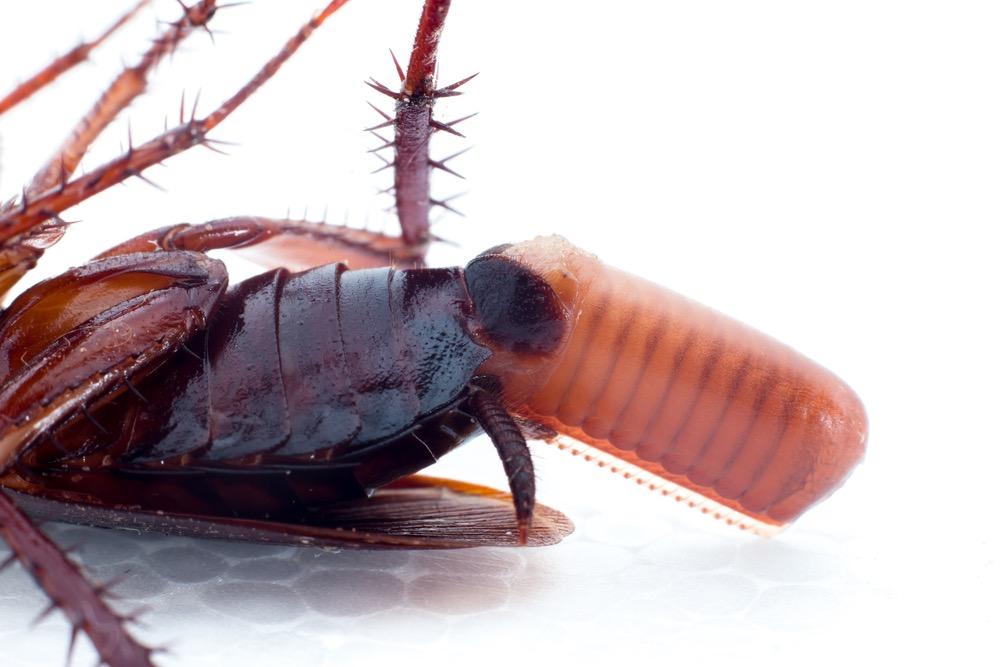

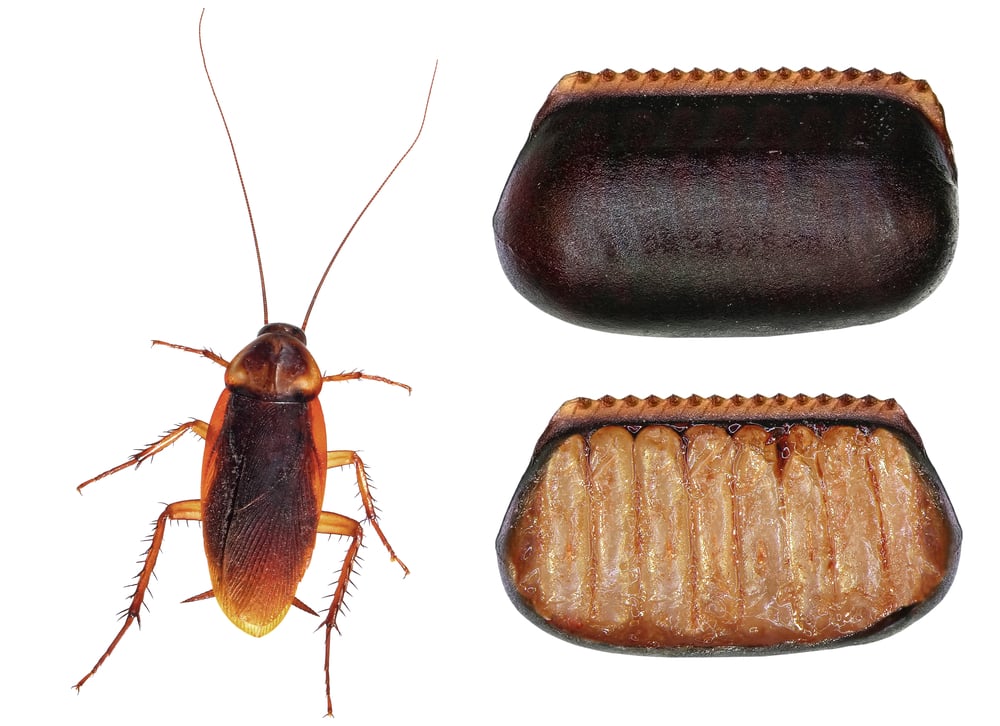
Finding cockroach eggs in your home is a cause for concern, especially if you find them behind the refrigerator, inside kitchen cabinets, or near cracks and crevices. What some people mistake for a "cockroach egg" is often an egg sac called an ootheca , a protective capsule containing a cluster of eggs.
A single egg sac may contain dozens of eggs, and a female can produce more than one sac during her lifetime. Therefore, finding an egg sac or the appearance of very small cockroaches may indicate that cockroaches are breeding in or near the location .
What do cockroach eggs look like?
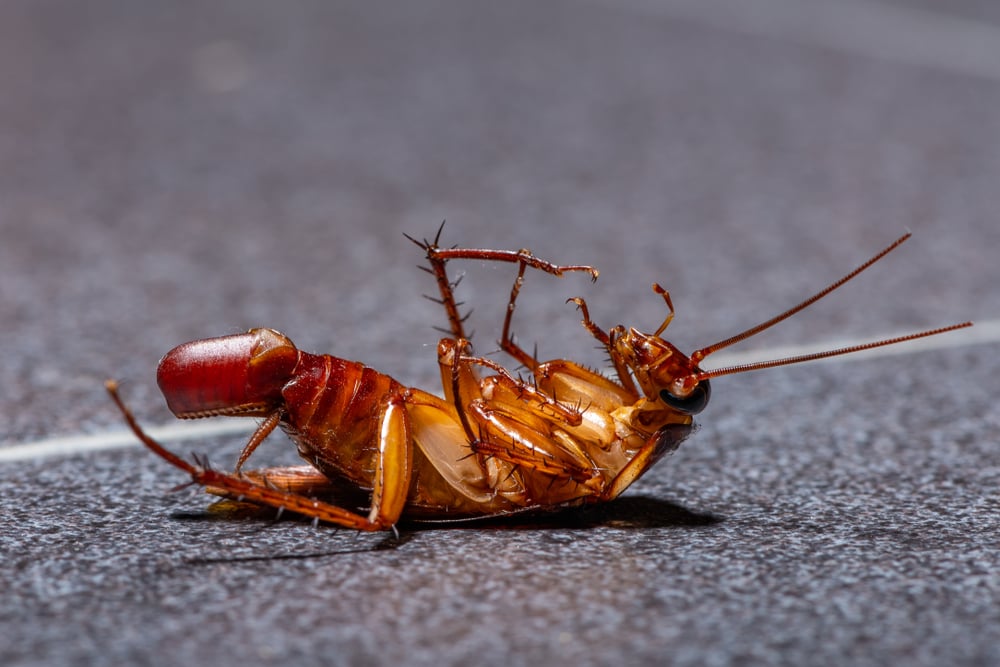
What can usually be seen with the naked eye is the egg sac, not the eggs themselves . The sac is often brown and rectangular or elongated, but its size, the number of eggs inside, and the way they are laid vary depending on the cockroach species.
German cockroach eggs
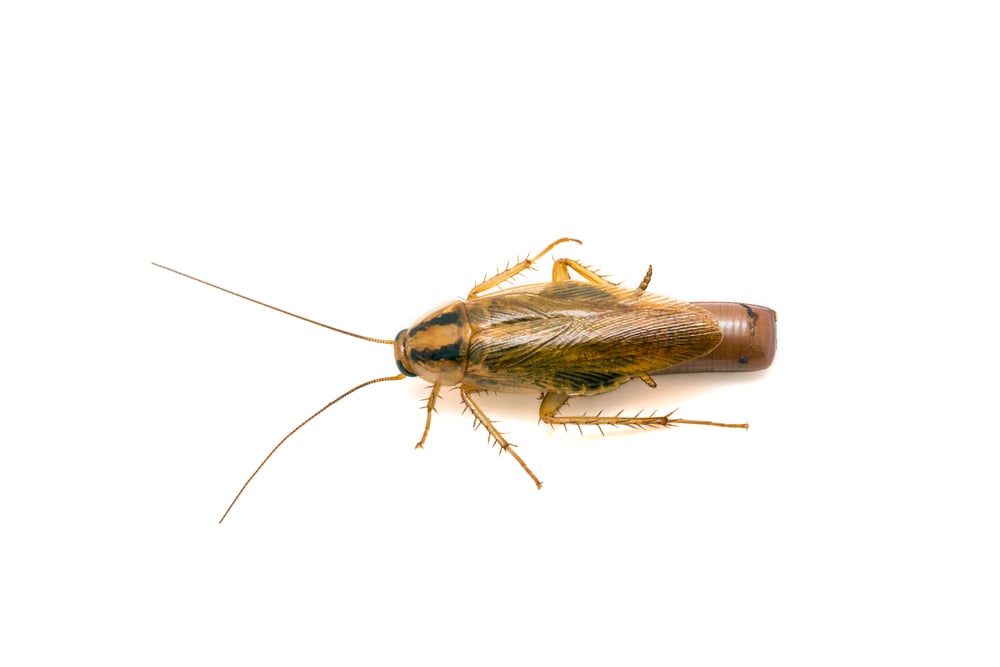
The German cockroach egg sac is brown and elongated, measuring approximately 7–9 mm in length. The female carries the sac at the end of her body for most of the egg development period, and usually does not let go of it until it is close to hatching.
A single egg sac typically contains 30–40 eggs, but can sometimes reach up to 48. This makes the German cockroach one of the fastest-reproducing house cockroaches.
American cockroach eggs
The egg sac of the American cockroach is dark brown, approximately 8–10 mm long, and usually contains 14–16 eggs .
Unlike the German cockroach, the female carries the egg case for a short time before depositing it in a protected location, sometimes attaching it to a surface. Therefore, egg cases can be found in cracks and hidden places, especially near warm, humid areas.
How many eggs does a cockroach lay and when do they hatch?
The number of eggs and the rate of reproduction vary depending on the type of cockroach, so there is no single duration or number that applies to all cockroaches.
- The German cockroach lays approximately 30–40 eggs per egg sac, sometimes up to 48. Egg development takes about 28 days under suitable conditions, and a female can produce several sacs during her lifetime, with intervals typically lasting several weeks.
- The American cockroach: about 14–16 eggs in a sac. The female can produce new sacs repeatedly, and the eggs usually need about 38–49 days to hatch .
- Oriental cockroach: The sac usually contains about 16 eggs, and the eggs often need about two months or more to hatch, depending on the surrounding conditions.
These figures explain why cockroach populations can increase so rapidly; the problem is not just the egg sac you see, but the females continuing to produce new sacs and then the new generation reaching the reproductive stage .
Where do cockroaches lay their eggs?
Cockroaches prefer sheltered places close to food, water, and warmth, so during inspection, focus should be on:
- Behind and below the refrigerator, oven, and electrical appliances.
- Inside kitchen cabinets and drawers.
- Under the sinks and around the water pipes.
- Inside cracks, gaps, and hidden corners.
- Behind furniture and appliances that are not constantly being moved.
- Near food storage and garbage areas.
- Drains, service rooms, and warm, humid places, especially with large cockroaches.
In the case of the German cockroach, you may not find many bags lying around because the female carries the egg sac with her until it is close to hatching.
How do you know if cockroach eggs have hatched?
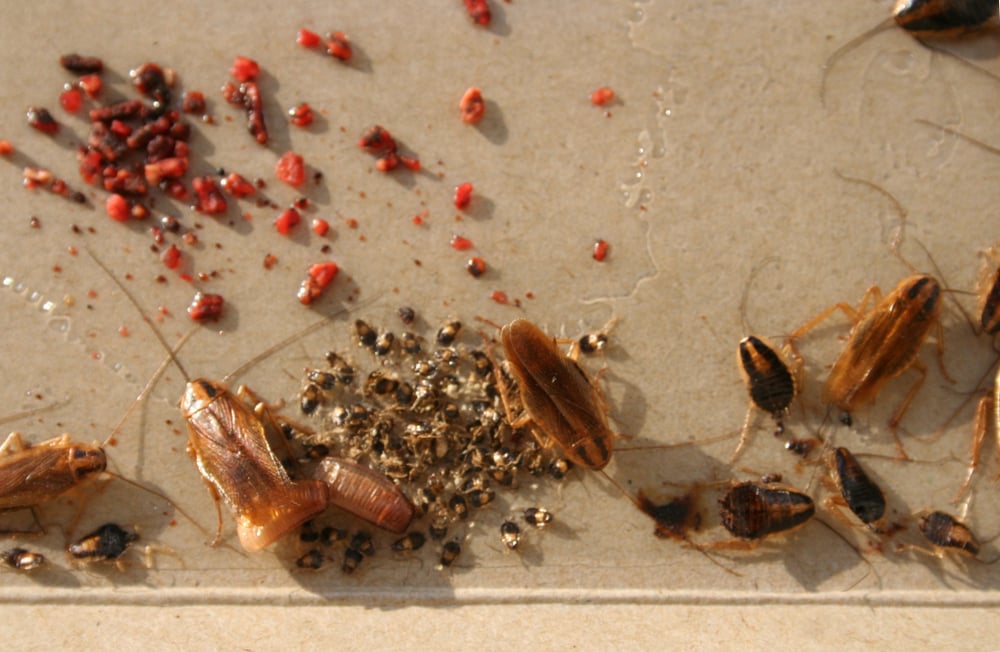
When the eggs hatch, nymphs emerge, which are tiny cockroaches that have not yet reached adulthood. They are very light-colored when they first hatch, then become darker, and then go through several stages of growth and molting until they become adult cockroaches.
Therefore, seeing very small cockroaches of varying sizes in the kitchen or near appliances is a significant sign of an impending infestation. What appear to be "small cockroaches of a different species" may actually be nymphs of the same species at different life stages.
How do you get rid of cockroach eggs and break the breeding cycle?
Getting rid of the egg sac you found is an important step, but it doesn't mean the infestation is over. The real goal is to prevent existing cockroaches and any nymphs that will hatch later from creating a new generation .
Therefore, control is most effective when combined with:
- Remove and dispose of any visible egg sacs.
- Use cockroach gel in appropriate areas of activity.
- Use an insecticide suitable for nymphs and adult cockroaches according to the product instructions.
- Use the insect growth regulator IGR when needed to help disrupt growth and the reproductive cycle.
- Place sticky traps to identify areas of activity and monitor the decrease in infection.
- Remove food scraps and grease, and reduce sources of water and moisture.
- Repairing leaks, sealing cracks, and filling hiding places.
The egg bag provides protection for the eggs inside, so don't rely solely on spraying the bag. If you can access it, remove and dispose of it, then continue with your pest control program .

What happens to the eggs after using cockroach gel?
This point is especially important when combating German cockroaches . The gel doesn't need to kill the eggs directly inside the bag to help break the infestation cycle.
Active cockroaches feed on the bait and are affected by the active ingredient. If there are already egg sacs present and they hatch later, small nymphs emerge and begin searching for food; they can also feed on the gel .
Therefore, the new generation can be targeted before it reaches adulthood and reproduces. For this reason, it is not advisable to remove the bait or stop monitoring once the adult cockroaches have disappeared; nymphs may emerge from bags that were present before the control measures began.
Is the method of combating the American cockroach different?
Yes, and here you need to know the source of the infestation , not just kill the cockroaches that appear in front of you.
The American cockroach is often associated with drainage systems, sewers, utility rooms, and warm, humid places . It can live and reproduce in these environments and then enter buildings. It can also settle inside buildings themselves if the conditions are right.
Therefore, if you eliminate cockroaches inside the premises but they continue to appear, there may be a persistent infestation source or entry point from the drain or another area . In this case, control measures should address the source of the infestation and cockroach entry points, not just the kitchen or bathroom.
How to prevent cockroach eggs from reappearing?
Preventing new egg cases starts with preventing cockroaches from settling and breeding. Keep food scraps and grease clean, store food in airtight containers, fix water leaks, clean hidden areas behind appliances and under cabinets, and seal cracks and crevices that cockroaches use to hide.
Continue to monitor areas where cockroaches have previously appeared using sticky traps, because detecting nymphs or a resurgence of activity early makes controlling the infestation easier.
Summary
Cockroach eggs are found inside a protective sac called an ootheca, which contains several eggs. A German cockroach's sac may contain 30–40 eggs and can reach up to 48 eggs , taking approximately 28 days to hatch under suitable conditions, while an American cockroach's sac usually contains 14–16 eggs and requires about 38–49 days to hatch .
If you find an egg sac, don't focus on the sac alone. Remove it if possible, then target adult cockroaches and nymphs that may emerge later, and continue monitoring until the breeding cycle is interrupted and a new generation does not reach adulthood .